CSWEA WEF Delegates Report
 Beyond the Conference: How WEF Is Expanding Member Connections
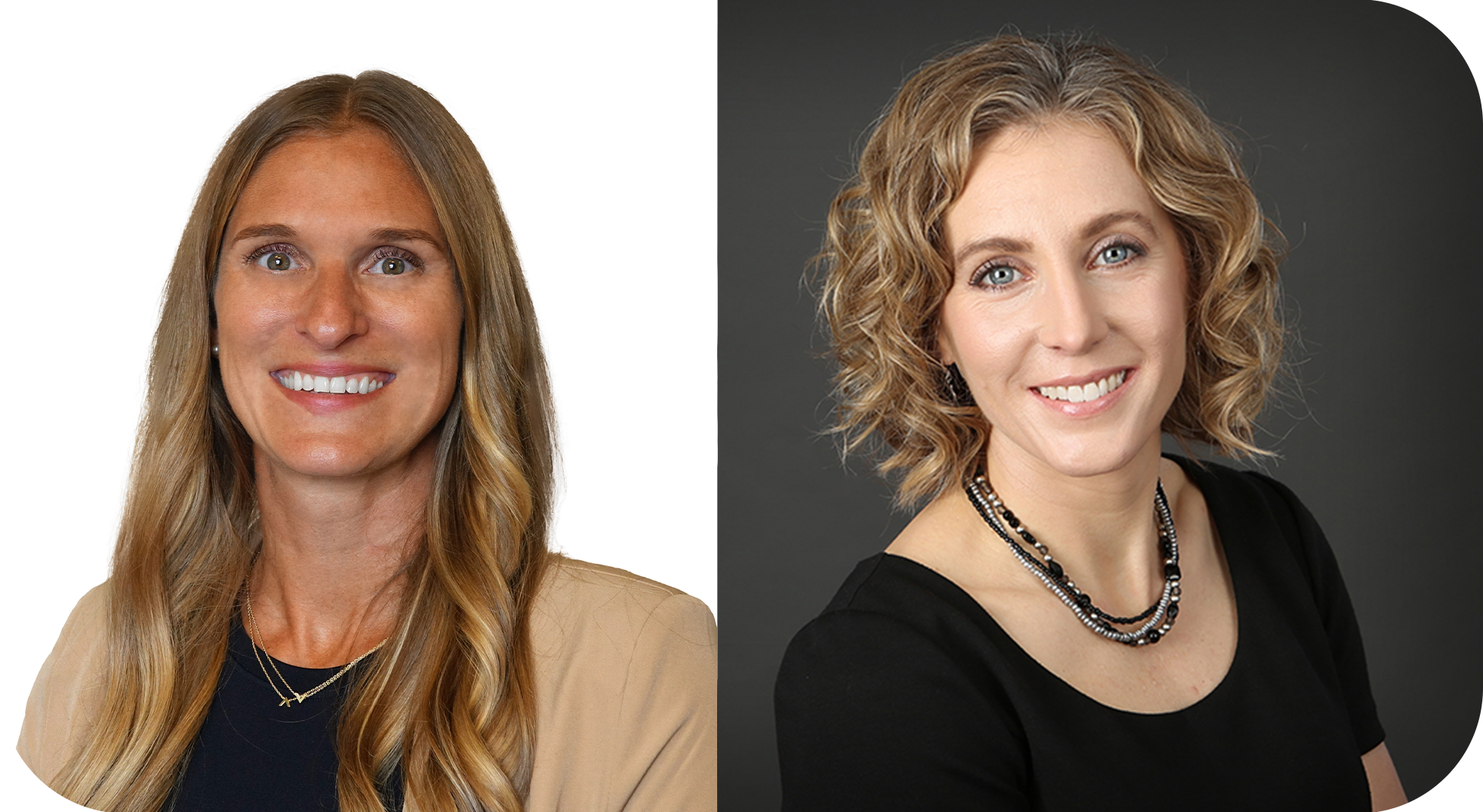
by Anna Munson and Autumn Fisher
Updated 08/21/26
One of the primary reasons water professionals join Central States WEA is to develop professional and personal connections with others who share a dedication to protecting water and the environment. Central States association and state level conferences offer excellent opportunities for building connections. Participating in a state or association committee is another opportunity to be involved in our member association.
WEF offers many more opportunities to build connections with professionals across the US and Canada, as well as a growing number of other countries.
While WEF continues to offer several large conferences each year, they have been working to develop and enhance other opportunities to facilitate connections. The WEFThinks Grants were created to offer members financial and logistical support for planning and hosting smaller professional gatherings that focus on issues that matter to a specific group. Each grant is currently $10,000. The grants are intended for workshop-style events with 50–100 participants. The events could be held alongside a larger conference or independently. Grant applications will be accepted twice each year and require only a pre-proposal instead of a complete event plan. The next round of applications for this grant is expected to open in the fall 2026.
WEF continues to enhance communication and participation in WEF Communities. There is a WEF Community for everyone. Some examples include the Disinfection and Public Health Community; Safety, Cyber and Infrastructure Security Community; Plant Operations and Maintenance Community; Emerging Contaminants; and many others.
In general, the goals of the communities are:
- Drive technical excellence
- Foster collaboration and networking
- Support career growth and leadership
- Promote culture and belonging
- Create a unified voice for advocacy
- Enable sustainable impact on the environment
To find your Community, go to the Membership & Community page on www.wef.org. Each Community has a brief description of their objectives, contact information, and a link to join the Community.
WEFMAX events offer additional opportunities to connect with water professionals outside of Central States. The 2026 in-person WEFMAX events have wrapped up. The virtual WEFMAX will be held in August. Each WEFMAX has its own theme, but all are intended to foster connection between participants.
In Montreal, Canada, about 50 members focused on strengthening collaboration, professional development, and improved communication among Member Associations (MAs). They developed key strategies including empowering the workforce by investing in high school intern programs and early onboarding for future leaders, a strong emphasis on legislative advocacy through in-person regulatory meetings. The group also addressed common structural challenges, advocating standardized processes, formal reporting, and the use of shared document centers to boost volunteer engagement and ensure smooth succession planning.
In Pittsburgh, Pennsylvania, about 100 members gathered for educational sessions focused heavily on onboarding members onto the WEF Unity platform via QR codes, sharing Member Association strategies for operator activities and training, and exploring AI-focused presentations. Networking was a major highlight, featuring an engaging, tournament-style rock-paper-scissors icebreaker that culminated during a scenic dinner and river cruise. The event concluded with interactive breakout brainstorming sessions, committee updates, and small- group exercises centered on Water Advocates. The event was highly collaborative and participants were very engaged.
In Bend, Oregon, about 100 members focused on the theme “Channeling the Undercurrents: Bringing Energy to the Surface” to address evolving member association demographics, conference offerings, and administrative models. The event opened with a meaningful perspective on regional tribal water challenges from the Confederated Tribes of Warm Springs, followed by unique social activities including a rainy scavenger hunt at a converted historic schoolhouse. Educational sessions provided practical updates on workforce development via the WEF Inflow toolkit, committee engagement strategies to prevent volunteer burnout, and high-level insights into AI and Culture and Belonging.
Together, these opportunities reflect WEF’s continued commitment to helping members connect, collaborate, and strengthen the water profession. We encourage you to take advantage of some of WEF’s opportunities to build your personal and professional connections.
As WEF Delegates, we are here to support you and represent the interests of the CSWEA to the House of Delegates and WEF. If something is on your mind, please feel free to call or email Anna at amunson@hazenandsawyer.com or Autumn at afisher@donohue-associates.com We are here to serve you/CSWEA and be a liaison to WEF leadership.